Maintaining independence is not just about physical ability; it’s about preserving routines, choices, and a sense of control over everyday life.


Growing older doesn’t mean giving up your independence. In fact, with the right approach and the right kind of support, many people continue to live confidently and comfortably in their own homes for years.
Maintaining independence is not just about physical ability; it’s about preserving routines, choices, and a sense of control over everyday life.
Start with Your Environment
Your home should work for you, not against you. Small adjustments can make a big difference:
- Keep frequently used items within easy reach
- Improve lighting in key areas like hallways and staircases
- Reduce trip hazards such as loose rugs or clutter
These simple changes can help you move around your home more confidently.
Stay Connected
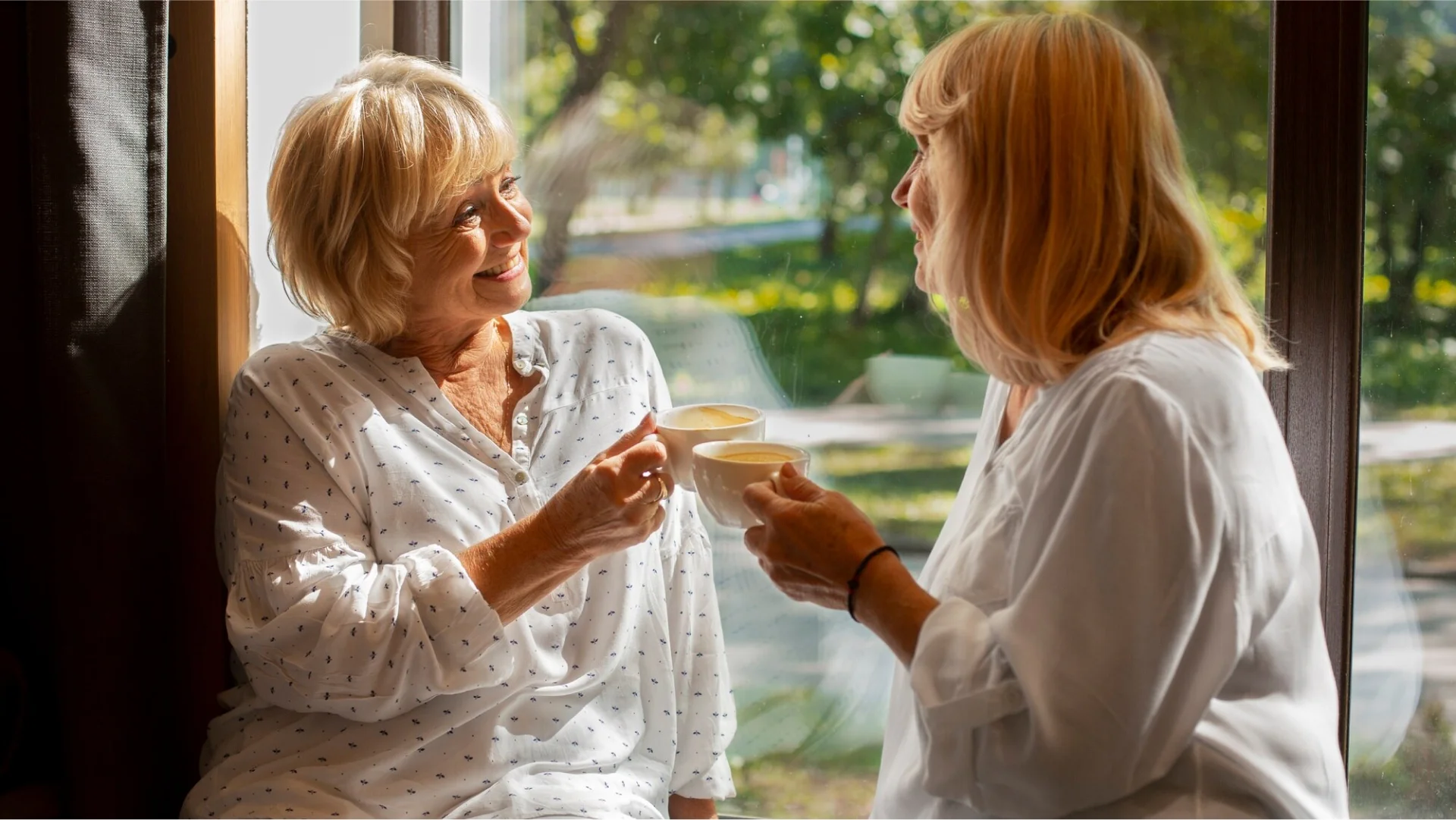
Independence doesn’t mean doing everything alone. Staying connected to others is essential for both emotional and mental well-being.
Regular visits, check-ins, or companionship can:
- Reduce feelings of isolation
- Improve mood and confidence
- Provide reassurance for both individuals and their families
Accept the Right Kind of Support
There’s a common misconception that accepting help means losing independence. In reality, the right kind of support actually protects and extends independence.
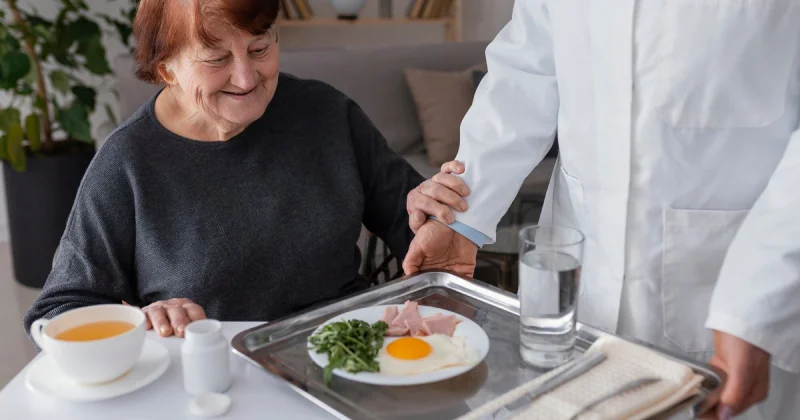
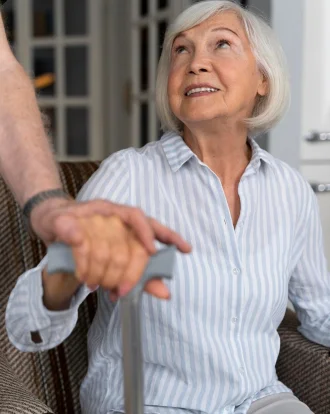
Whether it’s assistance with daily routines, reminders, or mobility support, having someone there when needed allows individuals to continue living life on their own terms.
Maintain Daily Routines
Routine provides structure, purpose, and stability. Simple daily habits like preparing meals, light activity, or hobbies contribute to a strong sense of independence.
Even when support is introduced, keeping control over these routines is key.
Final Thoughts
Independence is about choice, dignity, and confidence. With the right environment and supportive presence, it’s entirely possible to continue living safely and comfortably at home without compromising on quality of life.